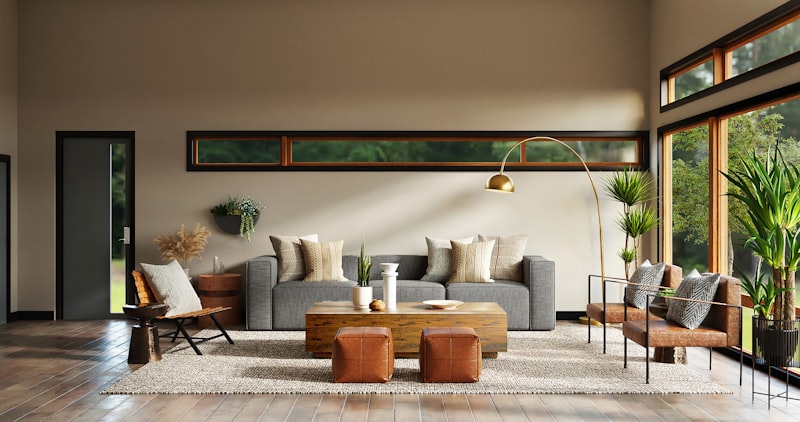
10 Interior Design Trends for 2026
Discover the latest interior design trends that are shaping modern homes and commercial spaces in 2026.
Read More →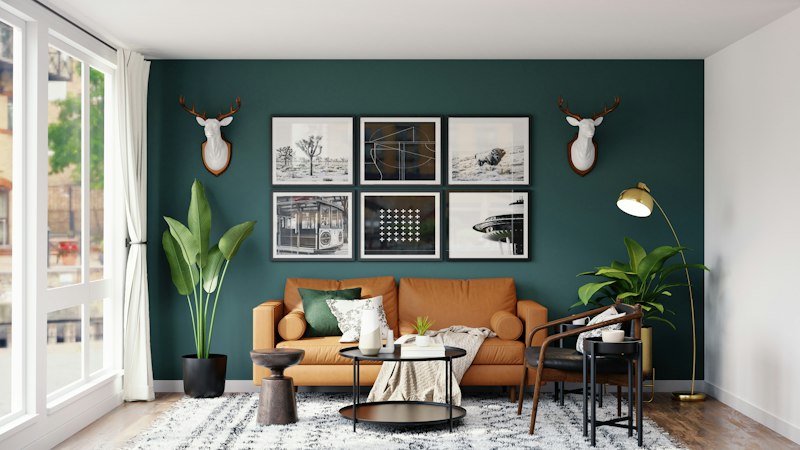
Color is one of the most powerful tools in interior design, capable of transforming spaces and influencing our emotions, productivity, and overall well-being. Understanding color psychology helps you create environments that not only look beautiful but also support your lifestyle and goals.
Colors interact with our brain through the hypothalamus, influencing hormonal balance, metabolism, and even body temperature. Different hues trigger distinct emotional and physiological responses. Warm colors like red, orange, and yellow create intimacy and energy, while cool colors such as blue, green, and violet promote calm and spaciousness.
Red stimulates appetite and conversation, making it ideal for dining rooms but potentially overwhelming in bedrooms. Orange promotes enthusiasm and creativity, perfect for home offices or creative spaces. Yellow enhances mental clarity and happiness, working well in kitchens and breakfast nooks. However, use warm colors judiciously—too much can feel overstimulating.
Blue reduces blood pressure and heart rate, creating calm atmospheres perfect for bedrooms and meditation areas. It's also associated with productivity, making it excellent for home offices. Green promotes balance and harmony, ideal for shared living spaces and areas where you want to feel refreshed. Purple combines the stability of blue with the energy of red, offering sophistication and creativity.
Neutrals like white, beige, gray, and taupe provide a sophisticated backdrop that allows other elements to shine. They create flexibility for changing decor, make spaces feel larger and brighter, and offer a timeless appeal that doesn't quickly feel dated. Neutrals work in any room and can be warmed or cooled with undertones.
How light enters your space dramatically affects how colors appear. North-facing rooms receive cooler light and benefit from warm colors to add coziness. South-facing rooms get warm, bright light and can handle cooler tones. East-facing rooms are bright in the morning but darker in the afternoon, while west-facing rooms are the opposite. Test paint samples at different times of day before committing.
Color transitions between rooms should feel natural and cohesive. Use a consistent color family throughout your home with variations in intensity, employ the 60-30-10 rule (60% dominant color, 30% secondary, 10% accent), and consider how colors look from adjacent rooms. Open floor plans especially benefit from a unified color scheme.
For bedrooms, choose calming blues, soft greens, or warm neutrals to promote restful sleep. Living rooms work well with warm, inviting colors that encourage conversation and relaxation. Home offices benefit from blues and greens that enhance focus and productivity. Kitchens can handle energizing yellows and warm whites that feel clean and fresh. Bathrooms feel spa-like with soft blues, greens, or crisp whites.
Accent colors add personality and visual interest without overwhelming spaces. Use them in throw pillows, artwork, rugs, and decorative accessories. Accent colors are easy to change, allowing you to update your space seasonally or as trends evolve without major renovation.
In Indian homes, colors often carry cultural significance. Saffron and red are auspicious and energizing, yellow represents knowledge and learning, green symbolizes nature and new beginnings, and white represents purity and peace. Consider these cultural associations when choosing colors for your home.
Choosing the right color palette can transform your space from ordinary to extraordinary. Innodecor Creations' expert designers understand color psychology and can help you select the perfect palette for your home or office. Schedule a color consultation today!
Discover the latest interior design trends that are shaping modern homes and commercial spaces in 2026.
Read More →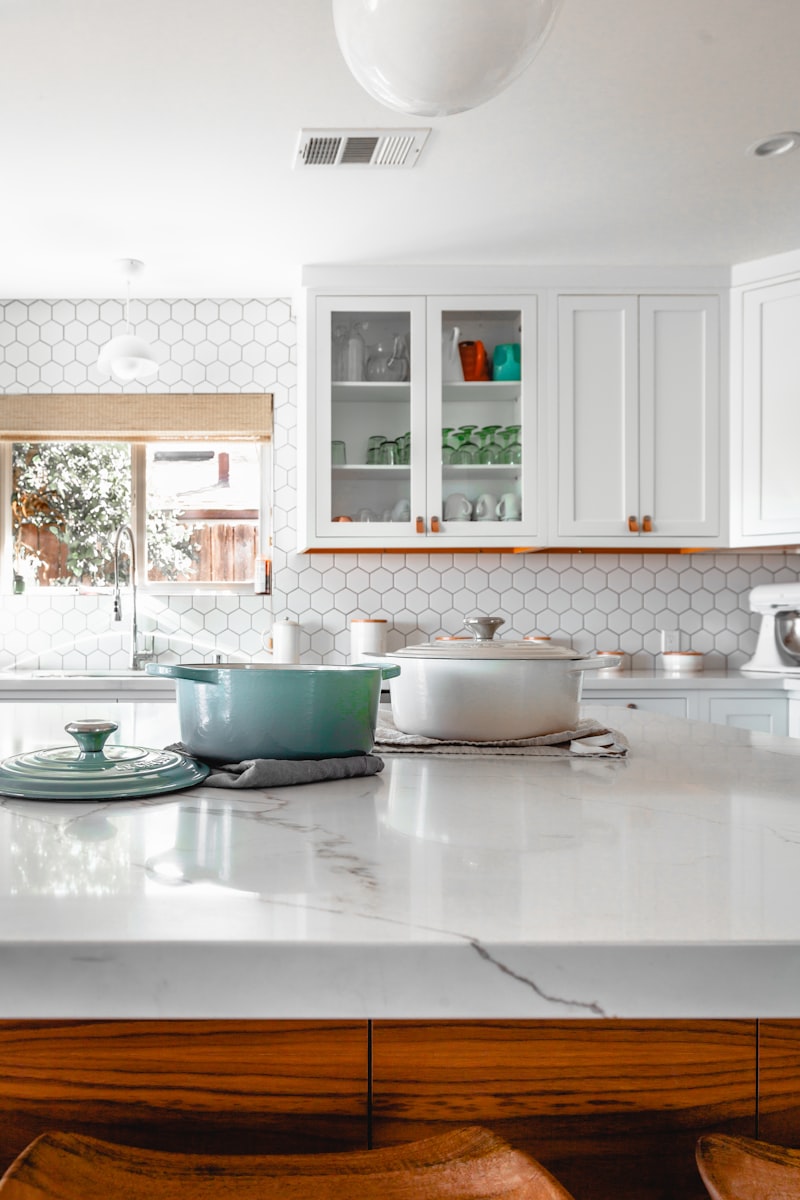
Creative design solutions to make the most of compact living spaces without compromising on style or functionality.
Read More →