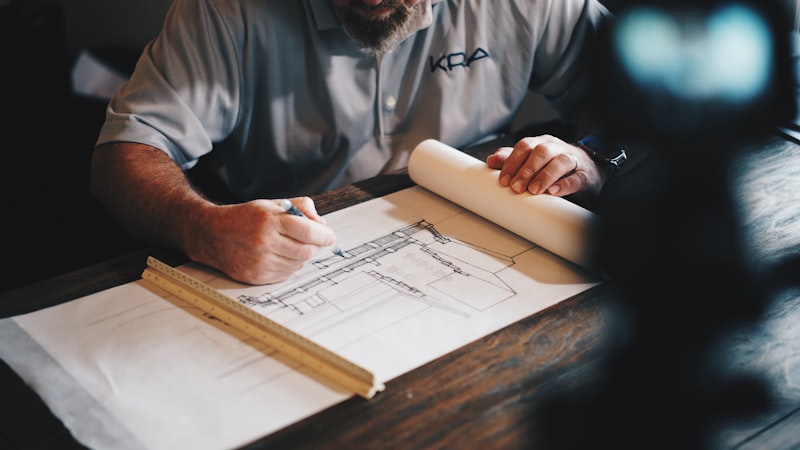
Sustainable construction is no longer just a trend—it's the future of building in India. With growing environmental awareness and government initiatives promoting green building practices, eco-friendly construction methods are becoming mainstream, offering both environmental and economic benefits.
The Rise of Green Building Materials in India
India's green building materials market is experiencing explosive growth, expanding at 16% annually and projected to reach ₹39,000 crore. This shift reflects both environmental consciousness and practical benefits. Sustainable materials often prove more cost-effective in the long run through energy savings and durability.
Bamboo: The Versatile Wonder Material
Bamboo is gaining popularity as a rapidly renewable resource that's both strong and versatile. It grows much faster than traditional timber, reaches maturity in just 3-5 years, and has impressive tensile strength. Bamboo can be used for structural elements, flooring, wall panels, and decorative features, making it an excellent sustainable alternative to conventional wood.
Fly Ash Bricks: Turning Waste into Strength
Fly ash bricks are made from waste generated by coal-fired power plants, turning an environmental problem into a construction solution. These bricks require less energy to produce than traditional clay bricks, offer higher compressive strength, have lower water absorption, and provide better thermal insulation. They're also more uniform in size and shape, leading to better construction quality.
Recycled Steel and Reclaimed Materials
Recycled steel reduces the demand for newly extracted resources while maintaining structural integrity. Reclaimed wood from old buildings adds character and history to new constructions while preventing deforestation. These materials offer both sustainability and cost-effectiveness, making them increasingly popular in modern construction.
Rammed Earth and Adobe Construction
Traditional materials like rammed earth and adobe are experiencing a renaissance. Composed of clay, dirt, gravel, and lime, these materials are harvested locally, offer excellent thermal insulation, and create naturally beautiful, textured walls. They're perhaps the greenest building materials available in India, with minimal processing and transportation requirements.
Energy-Efficient Design Integration
Sustainable construction goes beyond materials. Energy-efficient design includes proper insulation to reduce heating and cooling needs, strategic window placement for natural light and ventilation, cool roofs that reflect heat, and solar panel integration for renewable energy. These features significantly reduce long-term operational costs while minimizing environmental impact.
Water Conservation Systems
Sustainable buildings incorporate rainwater harvesting systems, greywater recycling for landscaping, low-flow fixtures, and efficient plumbing design. In water-scarce regions of India, these systems are becoming essential rather than optional, helping conserve precious resources while reducing utility costs.
Waste Management During Construction
Proper construction waste management minimizes environmental impact. This includes segregating waste for recycling, reusing materials on-site where possible, composting organic waste, and responsible disposal of hazardous materials. Efficient waste management also reduces project costs by minimizing disposal fees.
Long-Term Benefits
Sustainable construction offers numerous advantages: lower energy bills through efficient design, healthier indoor environments with better air quality, increased property value as green buildings become more desirable, reduced maintenance costs with durable materials, and positive environmental impact for future generations.
Innodecor Creations is committed to sustainable construction practices. We help clients build eco-friendly homes and commercial spaces that are beautiful, functional, and environmentally responsible. Contact us to discuss green building options for your next project.